







Search Results for: Iced Coffee Brewing

Iced Pour-Over Coffee Bean Selection Guide: Flavor Differences Between Hot and Iced Brewing and Front Street Coffee's Recommended Bean List
In the heat of summer, iced pour-over coffee becomes the top choice for many coffee lovers. But not all coffee beans are suitable for iced brewing, and there are clear differences in flavor and mouthfeel between hot pour-over and iced pour-over. Starting from Front Street Coffee's actual brewing methods, this article compares in detail the differences between iced pour-over and hot pour-over in grind size, coffee-to-water ratio, water temperature, and pouring technique, and uses three beans—Front Street Ethiopia Huakui, Brazil Queen's Estate Yellow Bourbon, and Indonesia Golden Mandheling—for flavor comparisons. It also sorts out the types of coffee beans suitable and unsuitable for making iced pour-over, and recommends standout beans such as Front Street Ethiopia TOH Washed Champion Bean Huaxu, Front Street Strawberry Candy, Front Street Blackberry, Front Street Colombia Sidra, and Front Street Big Belly, helping you choose the right beans in summer and make a clean, refreshing cup of good coffee. [more…]
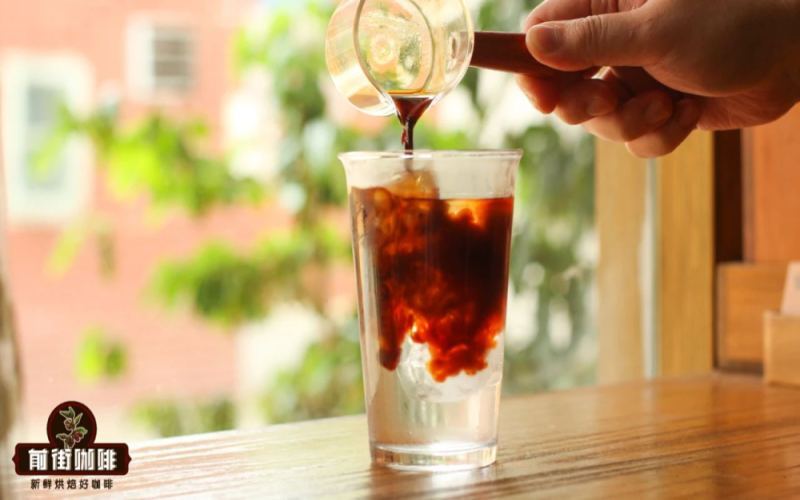
The Complete Brewing Guide to the Four Major Types of Iced Coffee: A Comparison of Methods and Parameters for Iced Pour-Over, Iced Americano, Cold Brew, and Ice Drip
As the weather warms up, iced coffee becomes a favorite for many. The four common types of iced coffee—iced pour-over, iced americano, cold brew, and ice drip—each have their own nuances in extraction method, flavor profile, and brewing parameters. Using Front Street Coffee's production practices as an example, this article breaks down the specific methods for each of the four iced coffees one by one: how to choose the coffee-to-water ratio for iced pour-over, how to control the ratio of espresso to ice water for iced americano, the steeping time and grind size for cold brew, and the flow rate and extraction duration for ice drip. Whether you want to recreate these at home or understand the operational logic of baristas, you'll find practical references here. [more…]

Iced Pour-Over Coffee | Why Does Making Iced Pour-Over Require More Coffee Grounds? What Coffee-to-Water Ratio Is Suitable for Iced Pour-Over Coffee?
I wonder if everyone still remembers that last year Front Street shared a very interesting topic with you all—"Why do some coffee shops charge extra for iced pour-over." The reason was that in some coffee shops, iced pour-over is priced higher than hot pour-over, which has led some customer friends recently, when ordering, to always [more…]

How to Determine the Water-to-Coffee Ratio for Iced Pour-Over Coffee? An Analysis of Ice Placement Timing and a Complete Brewing Plan
Iced pour-over coffee, with its refreshing and palate-cleansing taste, has become a favorite among many coffee enthusiasts. But to make a delicious iced pour-over, the key lies in setting the water-to-coffee ratio and how you use the ice. Unlike hot pour-over, iced pour-over requires first extracting a highly concentrated hot coffee liquid, then diluting and cooling it with ice, so the coffee-to-water ratio, pouring amount, and ice quantity all need to be readjusted. This article will explain in detail the brewing approach for iced pour-over, suitable coffee bean choices, and the parameter scheme used by Front Street Coffee in actual practice, helping you easily recreate a cup of iced pour-over with complete flavor at home. [more…]
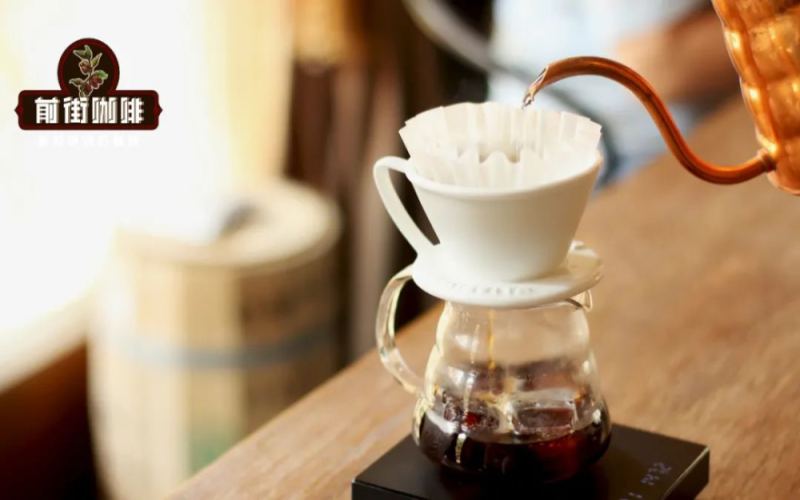
A Complete Analysis of the Flavor Differences Between Iced and Hot Pour-Over: Which Coffee Beans Are Better for Iced Brewing?
During the National Day holiday, many coffee enthusiasts visited the shop to buy coffee beans and also asked Front Street about a common confusion: the same beans, when brewed as hot pour-over, have excellent aroma and taste, but when made into iced pour-over, the flavor becomes vague, the mouthfeel is thin, and it even tastes like water. Why exactly is this? Front Street selected four coffee beans with different styles and conducted hot pour-over and iced pour-over extractions respectively, comparing them from the three dimensions of aroma, flavor, and mouthfeel. This article will take washed medium-light roast, natural medium-light roast, dark roast, and fermented beans as examples, presenting the true performance of each under the two brewing methods one by one, and deeply analyze the reasons why iced pour-over flavor becomes weaker. Finally, it will give suggestions for selecting coffee beans suitable for making iced pour-over, helping everyone enjoy a rich yet refreshing iced coffee even in hot weather. [more…]
Iced Americano, Iced Pour-Over, Iced Drip, and Cold Brew: A Breakdown of Brewing Essentials and Flavor Differences Among Four Iced Coffees
The world of iced coffee is far richer than one might imagine, with iced Americano, iced pour-over, iced drip, and cold brew each having their own distinctive merits. The baristas at Front Street Coffee have combined their daily brewing experience to share the unique characteristics and specific preparation methods of these four types of iced coffee. From setting the coffee-to-water ratio and adjusting grind size to controlling extraction time and temperature, every step influences the final flavor in the cup. This article will break down one by one the two-stage pouring logic of iced pour-over, the espresso extraction parameters of iced Americano, the key points of low-temperature steeping for cold brew, and the dripping rhythm of iced drip coffee, helping coffee enthusiasts understand the principles while also appreciating the differences in texture and aroma among different iced coffees. [more…]

Cold Brew, Ice Drip, Iced Americano, Iced Pour-Over: A Complete Analysis of the Extraction Principles, Brewing Methods, and Flavor Differences of Four Iced Coffees
On a scorching summer day, a glass of iced coffee always brings refreshing delight. But can you tell the essential differences between cold brew, ice drip, iced Americano, and iced pour-over? This article will systematically sort out the characteristics of these four common iced coffees from four dimensions: extraction method, preparation time, difficulty of operation, and flavor and mouthfeel. Whether you are a coffee enthusiast just starting out or a home brewing player hoping to hone your skills, you can find the cup that suits you. The article also includes Front Street Coffee's detailed brewing parameters and flavor descriptions to help you understand more intuitively the unique charm of each iced coffee. [more…]

Can iced pour-over coffee be brewed directly with ice water? A detailed explanation of the extraction principles and parameters of Japanese-style iced pour-over and hot pour-over
Many people, when first encountering iced pour-over, have this thought: since hot americano uses hot water and iced americano uses ice water, then if hot pour-over uses hot water, shouldn't iced pour-over just use ice water directly? This idea sounds reasonable, but pour-over extraction is far from that simple. This article will first clarify the underlying logic of extraction, then explain why brewing with ice water is theoretically feasible but almost no one actually does it in practice, followed by an analysis of the relationship between Japanese-style iced pour-over and hot pour-over, complete parameters from Front Street Coffee for both hot and iced brewing, and finally a real result from an ice water brewing experiment, for coffee enthusiasts' reference. [more…]
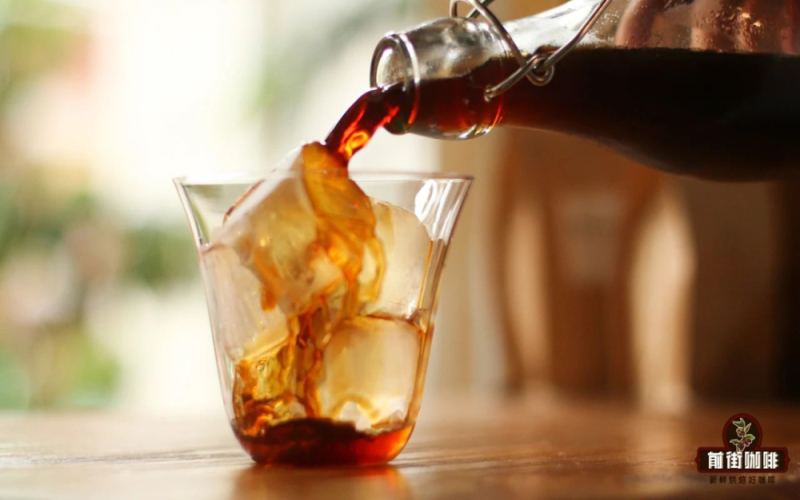
Iced Coffee Brewing Tips Explained: From Iced Americano to Iced Latte, A Practical Guide for Home Espresso Machines
On a scorching summer day, a glass of iced coffee always brings a refreshing coolness that delights the senses. But have you noticed that when the same beans are made into an iced drink, the flavor always seems to fall a bit short? In fact, temperature quietly changes our perception of taste—low temperatures mute sweetness and bitterness, while making acidity more pronounced. For this very reason, making iced coffee involves special considerations from bean selection to extraction. This article will walk you through the century-long history of iced coffee, break down the recipe ratios for iced Americano and iced latte, and share several Front Street Coffee espresso beans suited to making iced drinks, so you can easily recreate a professional-grade summer iced coffee at home. [more…]
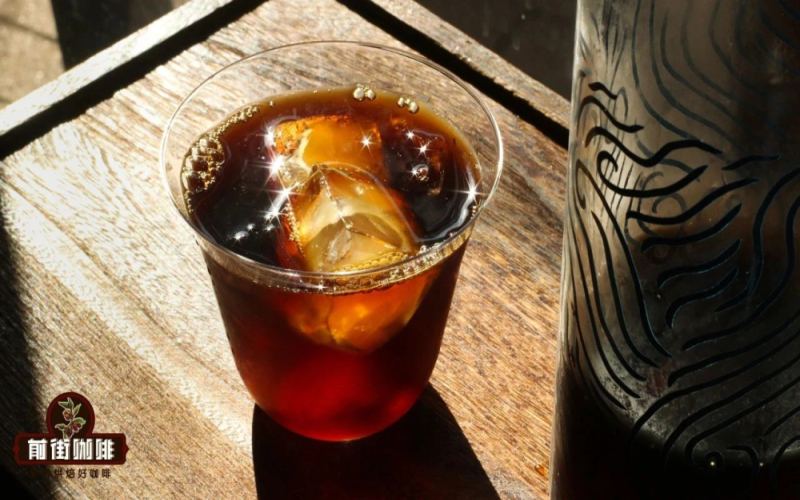
What's the Difference Between Americano and Pour-Over Coffee? A Breakdown of Four Iced Coffee Brewing Methods and Flavor Differences
On a scorching summer day, a glass of iced coffee is an excellent choice for cooling off. However, there are many types of iced coffee—iced pour-over, ice drip, cold brew, and iced americano each have their own merits, and many coffee enthusiasts often can't tell the differences between them. This article will introduce the brewing principles and flavor characteristics of these four iced coffees one by one: iced pour-over preserves a clean and refreshing taste by reducing the amount of water and adding ice to cool it down; ice drip uses ice water for long, slow dripping to bring out fermented notes and a sweet aroma; cold brew uses low-temperature immersion to obtain a balanced and mellow coffee liquid; iced americano mixes espresso with ice water, presenting a rich flavor like dark cocoa. It will also share Front Street Coffee's specific parameters and recommended beans for making various iced coffees, helping you easily recreate them at home. [more…]
Iced Pour-Over, Iced Americano, Cold Brew, and Ice Drip: An Analysis of the Brewing Methods and Flavor Differences of Four Iced Coffees
On a scorching summer day, a glass of iced coffee always brings a refreshing and invigorating effect. But did you know that common iced coffee is actually divided into four major categories: iced pour-over, iced Americano, cold brew, and iced drip? Each uses a different extraction method, and their flavor profiles vary greatly. In this article, Front Street Coffee (FrontStreet Coffee) will walk you through the characteristics of these four types of iced coffee one by one, and share the specific methods our baristas use to make them in-store, including key parameters such as coffee bean selection, coffee-to-water ratio, grind size, and extraction time. Whether you prefer a light, refreshing taste or a rich, intense flavor, you'll find the perfect cup for you. [more…]

A Complete Guide to Iced Pour-Over, Cold Brew, and Cold Drip Coffee: Brewing Techniques and Storage Times
After the summer solstice, iced coffee becomes the focus of discussion among coffee enthusiasts. Drawing on community opinions, this article systematically organizes the key techniques for making three types of iced coffee: iced pour-over, cold brew, and ice drip. The content covers calculating coffee-to-water ratios, grind size recommendations, adjusting ice quantity, and the optimal drinking window and storage limits for cold brew and ice drip. Front Street also provides specific parameter references for each type of coffee to help you make iced coffee with clear flavor and a full body at home. [more…]

Iced Pour-Over Coffee | Can the Finest Grind and Highest Water Temperature Produce a High-Sweetness Iced Pour-Over? How to Make Iced Pour-Over Coffee with Kenyan Cherry Tomatoes
Regarding the making of iced pour-over, Front Street Coffee has already shared many different brewing methods. However, for beginners, it is still somewhat difficult to master most of these methods. This is because most iced pour-over methods require the use of ice cubes to achieve a rapid cooling effect, and we also need to make it by reducing the amount of water. [more…]

Analysis of the Differences Between Cold Brew, Ice Drip, and Iced Pour-Over Coffee, and a Detailed Guide to Making Cold Brew
As temperatures gradually rise, iced coffee becomes the preferred drink for many coffee lovers. However, the iced coffee family has many members, and cold brew, ice drip, and iced pour-over each have different brewing processes and flavor characteristics, making it difficult for newcomers to tell them apart. This article will systematically sort out the differences among these three types of iced coffee from aspects such as brewing methods, parameter settings, and flavor performance, and focus on sharing the specific steps for making cold brew coffee. At the same time, the article also uses Front Street Coffee as an example, providing detailed brewing parameters and operating procedures to help readers easily recreate a cup of rich, mellow cold brew coffee at home. [more…]

Analysis of Various Brewing Methods for Iced Coffee: From Iced Americano to Cold Brew, the Complete Cold Brew Process for Geisha Coffee
Iced coffee is not a single entity; depending on the brewing method, it can take many forms, such as iced Americano, iced pour-over, iced drip, iced French press, and cold brew. This article will introduce the brewing concepts and characteristics of these iced coffees one by one, and focus on Geisha coffee as an example to break down the steps of cold brew in detail, including key parameters such as grind size, coffee-to-water ratio, and steeping time. The article will also include bean recommendations from Front Street Coffee to help coffee lovers easily make a smooth, clean, and full-flavored iced coffee at home. [more…]
What Is Japanese Iced Coffee? An Analysis of Two Major Iced Brewing Methods and Practical Details
As the weather warms up, iced drinks are once again becoming a favorite among coffee lovers. This article focuses on Japanese-style iced coffee, introducing its characteristics and sharing two ready-to-use iced pour-over methods: the stirring method from KURASU COFFEE in Kyoto, and the ice-shaking method from Taiwanese barista Amis. The article breaks down in detail each method's equipment choices, coffee bean preferences, pouring techniques, and parameter differences, using Ethiopian Sidama Alo Hattesa beans as a demonstration to help readers brew a fragrant yet refreshing summer iced coffee. [more…]

A Complete Guide to Iced Coffee Types and Characteristics: Detailed Brewing Methods for Japanese-Style Iced Pour-Over, Drip Bags, and Cold Brew
On a scorching summer day, a glass of iced coffee is nothing short of a lifesaver. This article systematically breaks down the types and characteristics of coffee beans suitable for making iced coffee, including three Front Street Coffee recommendations—Ethiopia Natural Red Cherry, Panama Elida Natural Typica, and Colombia Diviso Strawberry Claw—and explains in detail three brewing methods that work equally well at home or in the office: Japanese iced pour-over, drip-bag iced coffee, and cold brew, covering key parameters such as coffee-to-water ratio, water temperature, grind size, and pouring technique to help you easily make a refreshing, full-bodied summer drink. [more…]

A Practical Guide to Iced Pour-Over Coffee for Summer: The Universal Formula and One-Pour Method Explained
On a scorching summer day, a refreshing glass of iced pour-over coffee is nothing short of a lifesaver. This article focuses on the key points of brewing iced pour-over, starting with a simple, easy-to-remember universal formula—coffee grounds, hot water, and ice in a 1:10:5 ratio—then breaking down variables one by one, such as fine grinding, water temperature, and pouring rhythm, to help you recreate café-quality iced coffee at home. It then uses Tanzania Kilimanjaro as an example to demonstrate the standard three-pour iced brewing process, along with a grind size reference from Front Street Coffee shops. At the end, it also introduces Tetsu Kasuya's "one-pour iced pour-over," which needs only a slow-flow dripper and a spoon: pour with a strong stream of water and then stir, and the whole process takes less than two minutes, yielding a round, sweet cup. Whether you pursue precise control or want to save effort, you can find a suitable method. [more…]

A Complete Guide to Ice Cube Amounts and Coffee-to-Water Ratios for Iced Pour-Over Coffee: A Practical Guide from Bean Selection to Brewing
On a hot summer day, a glass of iced pour-over coffee becomes the favorite of many coffee lovers. But exactly how much ice should be added? And how should the coffee-to-water ratio be adjusted? This article will systematically answer common questions about iced pour-over coffee from multiple angles, including coffee bean selection, the role of ice, specific brewing plans, and the timing of adding ice. Taking 15 grams of coffee, a 1:10 coffee-to-water ratio, and 100 grams of ice as an example, Front Street Coffee breaks down in detail the grind size, actual concentration, and the impact of ice melting on flavor, helping you make a cup of iced pour-over that is both refreshing and not diluted. [more…]

Iced Pour-Over Coffee Brewing Guide: A Practical Guide to Coffee-to-Water Ratio, Ice Amount, and Grind Size Adjustment
On a hot summer day, a glass of iced pour-over coffee is the refreshing first choice for many coffee lovers. But many people find that when they make it at home or in the office, the flavor always seems thin and watery. This article sorts out three key details of iced pour-over coffee: adjusting the coffee-to-water ratio, calculating the ratio of ice to brewed coffee, and subtle changes in grind size, along with alternative solutions for common problems such as grinder limitations and too many fines. At the same time, according to different flavor preferences, it recommends a variety of beans suitable for iced brewing, including Front Street Coffee Fruit Ding Ding, Front Street Coffee Strawberry Candy, Front Street Coffee Xizhua, Front Street Coffee 2013 Sun-Dried Typica, Front Street Coffee Bird of Paradise, Front Street Coffee PWN Golden Mandheling, and Front Street Coffee Queen's Estate, helping you consistently make a delicious glass of iced pour-over in summer. [more…]